If you’ve ever had the pleasure of hearing a tui sing, you’ll know exactly what I mean when I say these birds are absolute divas—but in the best possible way.
They don’t just chirp. Oh no. Tuis perform.
We’re talking full vocal gymnastics: clicks, whistles, coughs, croaks, gurgles—and sometimes, if you’re lucky, a perfect mimic of a cellphone ringtone or a dog bark. These birds are like the DJ of the native New Zealand bush, mixing natural calls with a few surprising sound effects. Honestly, if they had Spotify, they’d be chart-toppers.
Who is this feathered show-off?
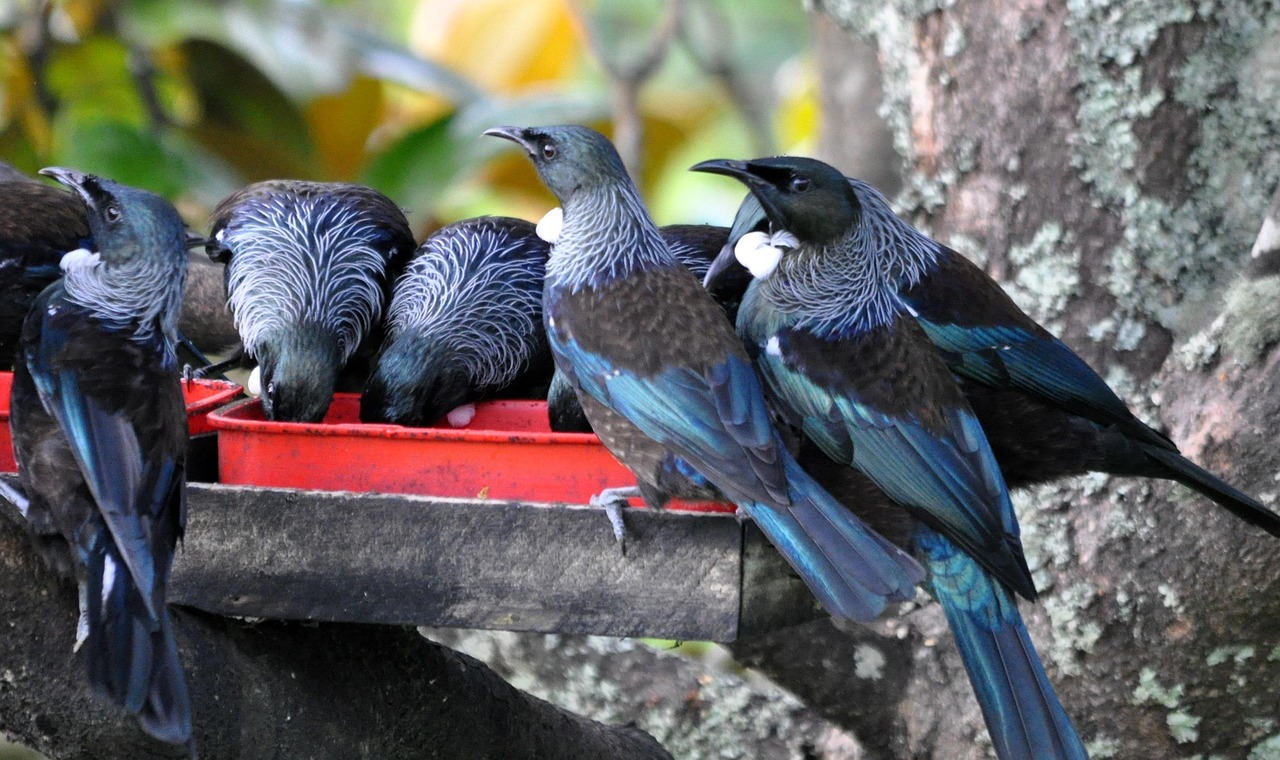
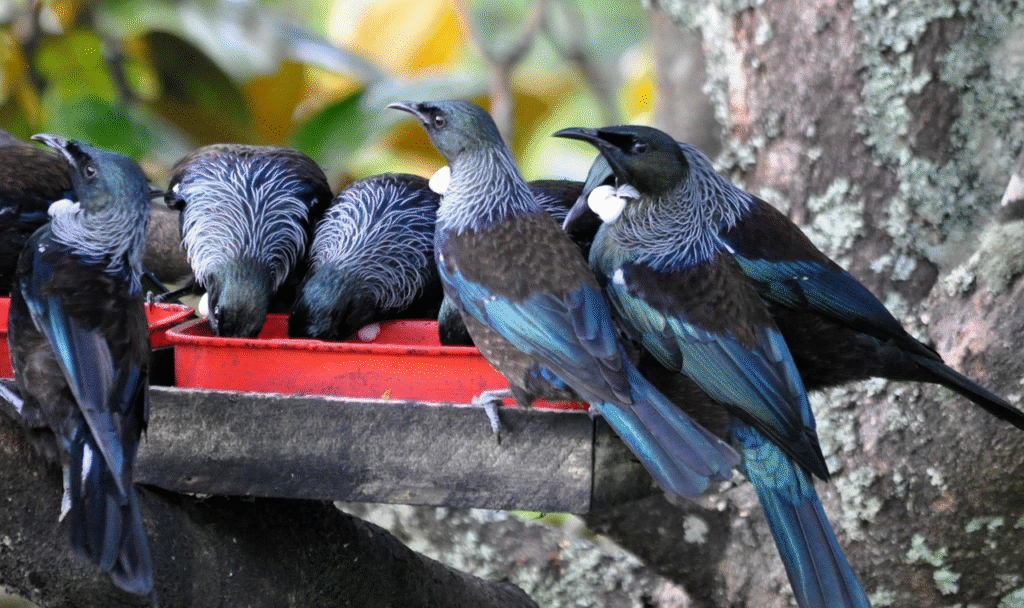
The tui (pronounced too-ee) is one of Aotearoa’s most iconic native birds. With their iridescent blue-green plumage and that signature little white tuft under their chin (like a stylish cravat), they’re instantly recognisable—and they know it. You’ll often spot them showing off in flowering kōwhai or flax, sipping nectar and announcing their presence like the bush royalty they are.
They’re technically honeyeaters, which means they spend a lot of time feeding on nectar from native plants. That makes them important pollinators, kind of like bees with feathers—and a much better singing voice.
Drama queens? Yes. Bullies? Also yes.
Tuis are incredibly territorial, especially when they find a favourite tree or nectar-rich garden. They’ll chase off anything that dares get too close—bellbirds, silvereyes, even other tuis. It’s their stage, thank you very much.
If you’re a gardener and you’ve ever seen a tui go full aerial acrobatics to keep another bird away from their flax plant, you know what I’m talking about. It’s like watching a high-speed feathered soap opera play out right above your compost heap.
Urban legends (and literal legends)
What’s really cool is how tuis have adapted to city life. You’ll find them in suburban gardens, on school grounds, and hanging out in parks—anywhere the trees are flowering and there’s a decent buffet of nectar and fruit. In Wellington and Auckland, especially, they’ve made a big comeback thanks to predator control and native planting. (Shout out to every backyard gardener who’s ever planted a pūriri tree—you’re the real MVP.)
In Māori mythology, the tui is associated with messages and communication, often seen as a messenger bird between the living and the spiritual realm. Which kind of makes sense, right? With all that talking (and occasional sass), they seem like they’d have a lot of gossip to pass on.
Want more tui in your life?
Here’s how to roll out the red carpet:
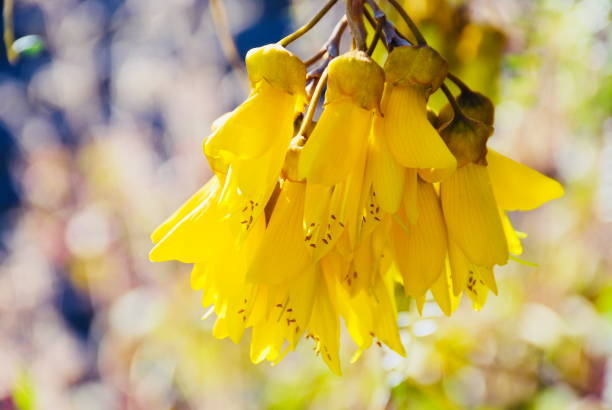
- Plant native: Kōwhai, flax (harakeke), kaka beak (ngutu kākā), and rewarewa are tui favourites.
- Ditch the chemicals: Pesticides and herbicides mess with the birds’ food supply and health.
- Keep cats indoors: Especially during nesting season—tuis nest low in dense shrubs and are super vulnerable.
- Set up a sugar water feeder in winter (but keep it clean and only use proper proportions—don’t turn your tui into a hummingbird on a Red Bull binge).
Final thoughts
Tuis are like the eccentric, wildly talented friend who always turns up late, makes a dramatic entrance, and somehow steals the whole show. And honestly? We wouldn’t have it any other way.
So next time you hear an otherworldly warble coming from your kōwhai tree, stop and listen. That’s a tui giving a private concert. No ticket required.